Hardwood vs. LVP: What homeowners need to know before renovating
 When planning a high-end home renovation, one of the most impactful decisions you’ll make is your choice of flooring. For many Cape Cod homeowners, the decision often comes down to luxury vinyl plank (LVP) vs. hardwood. Both are beautiful, functional, and versatile – but they offer very difference experiences in terms of aesthetic, longevity, maintenance and value.
If you’re stuck between the two, this guide will walk you through the pros and cons of each, so you can confidently choose what aligns best with your lifestyle, investment goals, and design vision.
Aesthetic and feel
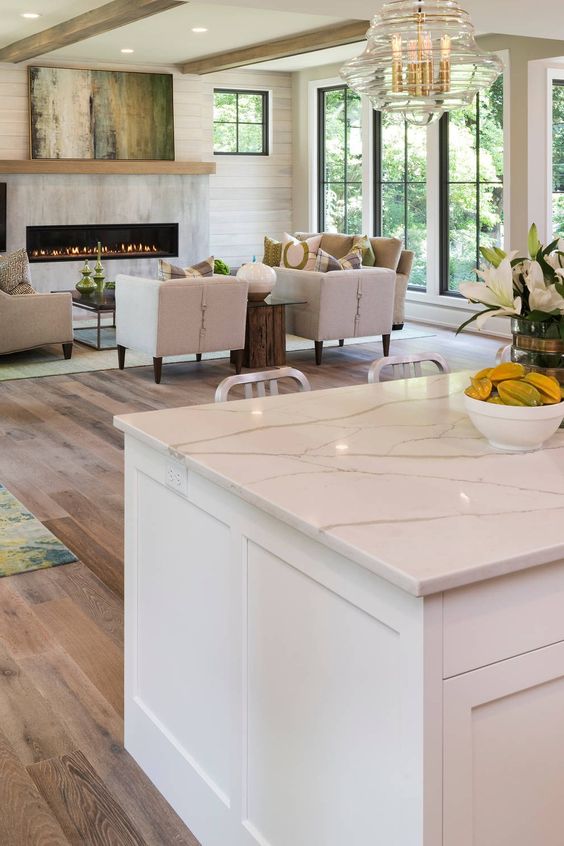
Hardwood: There’s no substitute for the warmth, depth and organic beauty of real wood. Each plank is unique, with natural grain patterns and subtle variations that add depth and authenticity.
Pro: Unmatched beauty and character
Pro: High end, timeless appeal
Con: Can dent or scratch easily with pets, heels or moving furniture
Pro: Wide range of wood-look styles, including designer options
Pro: Consistent visual patterning for a clean modern look
Con: Lacks the “true wood” touch and legacy feel of hardwood
Durability and lifestyle
Hardwood: While solid wood can last decades, it’s vulnerable to scratches, moisture and sunlight. In homes with kids, pets or high humidity (hello Cape Cod summers), it needs careful maintenance.
Pro: Can be refinished multiple times
Con: Susceptible to warping from moisture or improper installation
Con: Not ideal for basements of beachside mudrooms
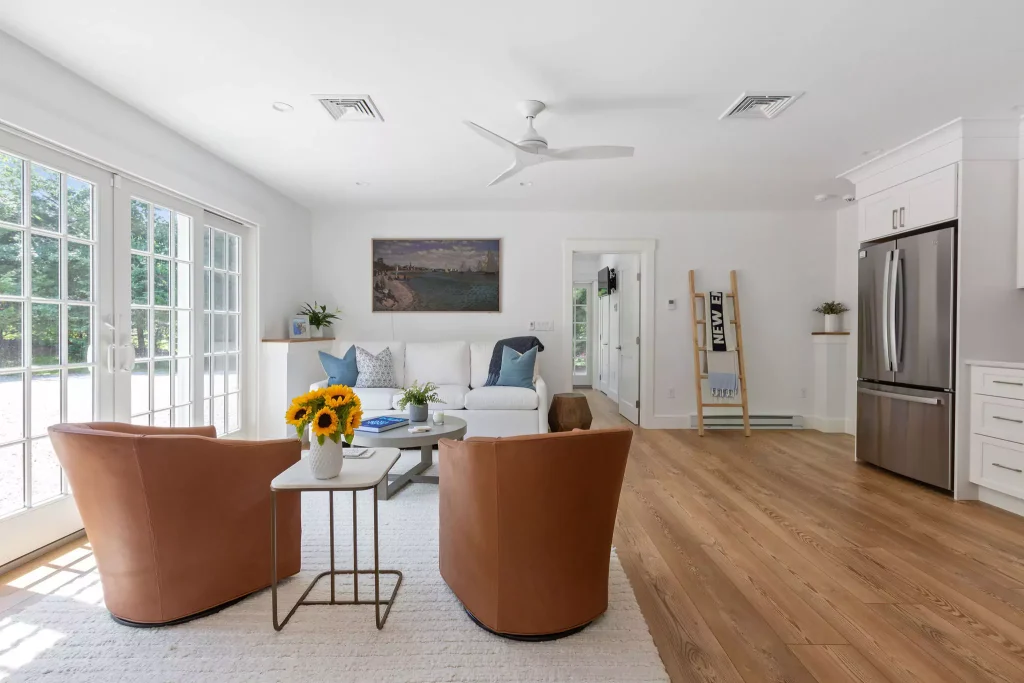
LVP shines in durability. It’s waterproof, scratch-resistant and holds up well in sandy, humid, or pet filled homes.
Pro: Perfect for coastal homes and high traffic areas
Pro: Worry free- no warping, cupping or refinishing needed
Con: Can’t be refinished- once it’s damaged, it’s replaced
resale value and roi
Pro: Adds long term value in high end markets
Pro: Signals craftsmanship and quality
Con: Higher upfront investment
LVP: Buyers appreciate its low maintenance nature, especially in vacation homes or rentals. While it doesn’t carry the same cachet as hardwood, high quality LVP can still look high end.
Pro: Great ROI in the right spaces (basement, rentals, family areas)
Con: May not add as much value as real wood in luxury homes
cost and installation
Installation- must be nailed or glued, acclimation time required
Refinishing adds future cost but extends the lifespan
LVP: Cost $4 – $7 per sq. ft (plus install)
Installation- click lock or glue down, fast and easy
Low labor costs and minimal prep time
Best use cases for each
– want a legacy material that adds long term value
– love the natural texture and depth of real wood
– are building a primary or forever home
– are prepared to maintain and refinish over time.
Choose LVP if you:
– have pets, kids or renters
– want a waterproof, stress free solution
– are renovating a vacation home or basement
– want the look of wood without the upkeep
final takeaway
If you’re working on a Cape Cod renovation or second home project and want expert design guidance, we’d love to help you evaluate your options- both in style and performance – to ensure your home looks stunning and lives beautifully.